

68 Circular Road, #02-01 049422, Singapore
Revenue Tower, Scbd, Jakarta 12190, Indonesia
4th Floor, Pinnacle Business Park, Andheri East, Mumbai, 400093
Cinnabar Hills, Embassy Golf Links Business Park, Bengaluru, Karnataka 560071


Connect With Us



68 Circular Road, #02-01 049422, Singapore
Revenue Tower, Scbd, Jakarta 12190, Indonesia
4th Floor, Pinnacle Business Park, Andheri East, Mumbai, 400093
Cinnabar Hills, Embassy Golf Links Business Park, Bengaluru, Karnataka 560071
Connect With Us
68 Circular Road, #02-01 049422, Singapore
Revenue Tower, Scbd, Jakarta 12190, Indonesia
4th Floor, Pinnacle Business Park, Andheri East, Mumbai, 400093
Cinnabar Hills, Embassy Golf Links Business Park, Bengaluru, Karnataka 560071
Request Custom Transcript
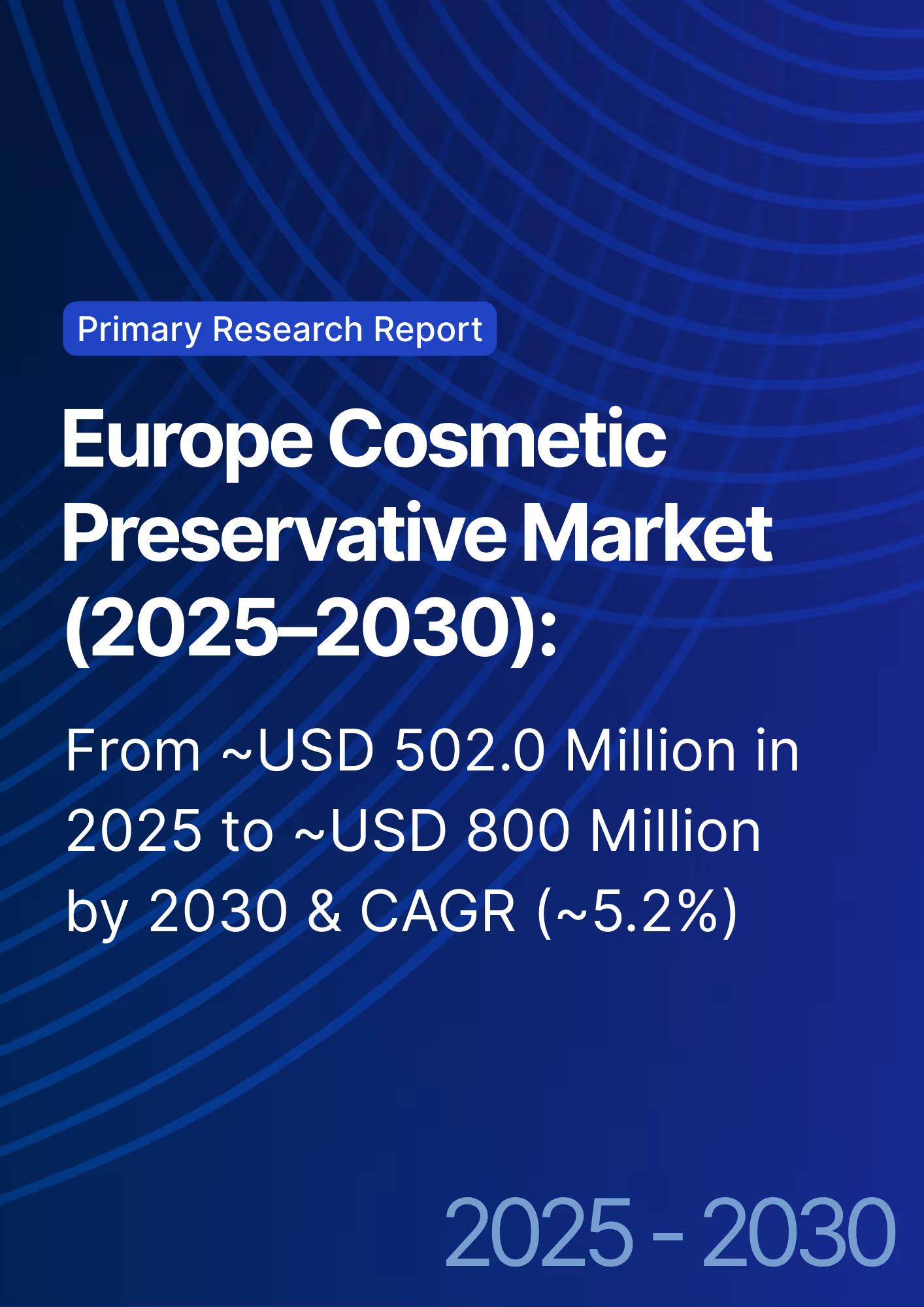
Europe Cosmetic Preservative Market (2025–2030): From ~USD 502.0 Million in 2025 to ~USD 800 Million by 2030 & CAGR (~5.2%) | Skincare, Haircare, Toiletries, Personal Care Applications
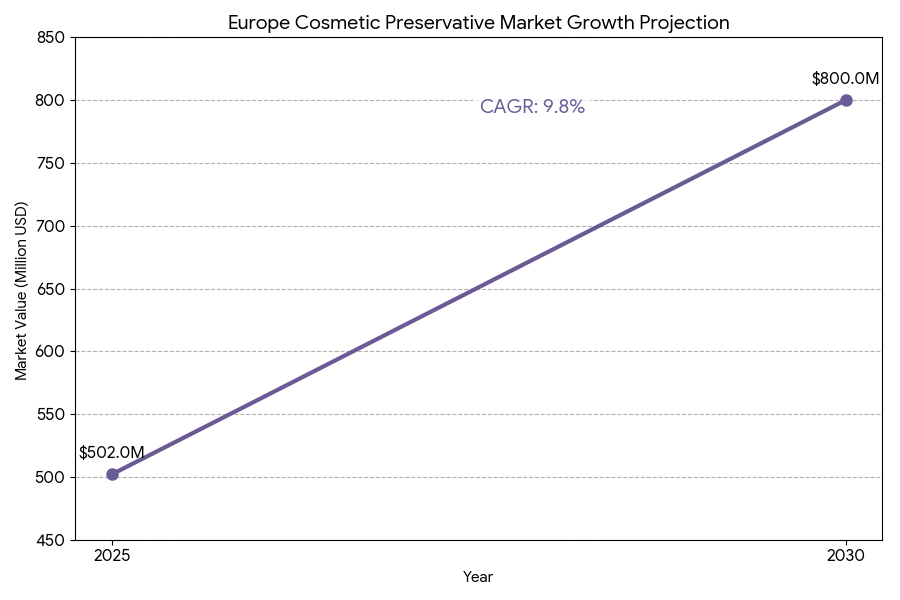
The Europe cosmetic preservative market is forecast to grow from USD 502.0 million in 2025 to USD 800 million by 2030, with a CAGR of 5.2%. This growth is driven by increasing demand for preservatives in skincare, haircare, toiletries, and personal care applications, where they are essential for extending product shelf life and preventing microbial contamination. With consumer preferences shifting towards natural and organic ingredients, there is a rising demand for safety, sustainability, and bio-based preservatives. Innovations in preservative formulations to meet regulatory requirements and consumer safety standards will further boost market growth. As cosmetic manufacturers focus on clean beauty trends and eco-friendly solutions, there is an increasing push for preservatives that balance efficacy with mildness. The rise in e-commerce and online sales of cosmetics will also contribute to expanding market dynamics.
What's Covered?
Report Summary
Key Takeaways
- Market to grow from USD 502.0M (2025) to USD 800M (2030) at 5.2% CAGR.
- Skincare applications will dominate, contributing 45% of total demand by 2030.
- Haircare and toiletries sectors to account for 30% of market share by 2030.
- Natural and bio-based preservatives expected to grow at 7% CAGR.
- Consumer demand for clean beauty and organic products driving preservatives growth.
- Sodium benzoate and potassium sorbate remain key preservatives in the market.
- EU regulatory compliance and green formulations will enhance demand for safe preservatives.
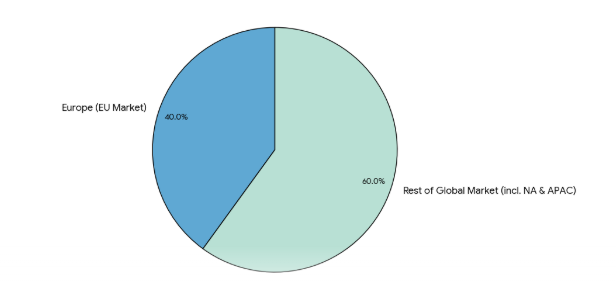
- Europe to be the largest market, accounting for 40% of global demand.
- Increasing use of preservatives in toiletries and personal care driving market expansion.
- Innovations in formulation to address longer shelf life and consumer safety standards.
Key Metrics
Market Size & Share
The Europe cosmetic preservative market is projected to expand from USD 502.0 million in 2025 to USD 800 million by 2030, with skincare applications dominating the market, contributing 45% of total demand. Haircare and toiletries will account for 30% of the total market share by 2030. As consumer preferences shift towards clean beauty, the bio-based preservatives segment will see rapid growth, particularly with a 7% CAGR. The EU market will continue to be the largest region for cosmetic preservatives, accounting for 40% of the global demand, driven by strict regulatory standards and growing demand for sustainable formulations.
Market Analysis
The demand for cosmetic preservatives in Europe is primarily driven by skincare, haircare, and toiletries, where preservatives are used to ensure product safety, shelf life, and microbial stability. The rise of the clean beauty trend is accelerating the demand for natural and bio-based preservatives as consumers increasingly opt for non-toxic, eco-friendly products. The pharmaceutical-grade preservatives required for topical skincare and medicated products continue to represent a significant share of the market. The bio-based preservatives segment, including ingredients like sodium benzoate, potassium sorbate, and phenoxyethanol, is witnessing growth due to the increasing demand for sustainability and environmentally friendly formulations. Additionally, EU regulations, such as REACH compliance, are pushing cosmetic companies to adopt safer preservatives.
Trends & Insights
- Bio-based Preservatives: Natural preservatives, including essential oils and plant-based derivatives, are growing in demand, driven by consumer preferences for eco-friendly and sustainable products.
- Clean Beauty Growth: The clean beauty movement will significantly influence the demand for non-toxic and bio-based preservatives.
- EU Regulations: Stricter regulatory standards are pushing for safer and more sustainable preservatives, making bio-based solutions increasingly important.
- E-Commerce Growth: The rise of online sales for cosmetics has led to greater demand for preservatives to maintain product quality during shipping and storage.
- Consumer Preferences: Consumers are gravitating towards products with natural ingredients, encouraging the use of bio-based preservatives that align with health-conscious purchasing decisions.
- Sustainability Focus: The shift to sustainable, low-environmental-impact preservatives is influencing the cosmetic manufacturing process.
- High-Performance Preservatives: The demand for high-performance preservatives that can enhance shelf life while maintaining the product's natural appeal is on the rise.
- Preservative Innovations: Innovations in preservative formulations are increasingly focusing on safety, efficiency, and multipurpose solutions.
- Ingredient Transparency: As consumers demand more ingredient transparency, eco-friendly and naturally derived preservatives are becoming a key selling point.
- Supply Chain Dynamics: Raw material sourcing for bio-based preservatives will drive regional supply chain investments, especially within EU markets.
Segment Analysis
The market is segmented by product grade: industrial-grade, pharmaceutical-grade, and food-grade preservatives. The skincare segment leads the market, with preservatives essential for ensuring microbial stability and product safety. Haircare and toiletries are expected to grow at 6% CAGR, with increased demand for mild preservatives. Pharmaceutical-grade preservatives will remain integral to medicated skincare and topical products, while food-grade preservatives remain a smaller but growing segment due to consumer awareness of safe consumption. The rising demand for sustainable, naturally derived preservatives will continue to shape the market.
Geography Analysis
Europe will continue to be the largest market for cosmetic preservatives, driven by stringent regulations, environmental concerns, and the rise of clean beauty. The EU market is projected to account for 40% of the global market by 2030. North America will follow closely due to growing demand for eco-friendly and clean label products in skincare and haircare. Asia-Pacific will experience growth at 7% CAGR, primarily driven by China and India’s rising demand for cosmetic products and personal care items.
Competitive Landscape
Key players in the Europe cosmetic preservative market include BASF, Dow Chemical, Lonza Group, Clariant, and SABIC. BASF and Dow Chemical are leading the way in developing high-performance and sustainable preservatives for the cosmetics and personal care industries. Lonza Group and Clariant focus on providing bio-based solutions, catering to the growing demand for eco-friendly and natural ingredients. Smaller regional players are leveraging local production capabilities to reduce supply chain dependencies, while larger companies are focusing on innovation and compliance with EU regulations to meet sustainability and safety standards.
Report Details
Proceed To Buy
Want a More Customized Experience?
- Request a Customized Transcript: Submit your own questions or specify changes. We’ll conduct a new call with the industry expert, covering both the original and your additional questions. You’ll receive an updated report for a small fee over the standard price.
- Request a Direct Call with the Expert: If you prefer a live conversation, we can facilitate a call between you and the expert. After the call, you’ll get the full recording, a verbatim transcript, and continued platform access to query the content and more.
68 Circular Road, #02-01 049422, Singapore
Revenue Tower, Scbd, Jakarta 12190, Indonesia
4th Floor, Pinnacle Business Park, Andheri East, Mumbai, 400093
Cinnabar Hills, Embassy Golf Links Business Park, Bengaluru, Karnataka 560071
Request Custom Transcript
Related Transcripts





68 Circular Road, #02-01 049422, Singapore
Revenue Tower, Scbd, No.52-53, Jakarta 12190, Indonesia
Cinnabar Hills, Embassy Golf Links Business Park, Bengaluru, Karnataka 560071
4th Floor, Pinnacle Business Park, Andheri East, Mumbai, 400093


68 Circular Road, #02-01 049422, Singapore
Revenue Tower, Scbd, Jakarta 12190, Indonesia
4th Floor, Pinnacle Business Park, Andheri East, Mumbai, 400093
Cinnabar Hills, Embassy Golf Links Business Park, Bengaluru, Karnataka 560071