

68 Circular Road, #02-01 049422, Singapore
Revenue Tower, Scbd, Jakarta 12190, Indonesia
4th Floor, Pinnacle Business Park, Andheri East, Mumbai, 400093
Cinnabar Hills, Embassy Golf Links Business Park, Bengaluru, Karnataka 560071


Connect With Us



68 Circular Road, #02-01 049422, Singapore
Revenue Tower, Scbd, Jakarta 12190, Indonesia
4th Floor, Pinnacle Business Park, Andheri East, Mumbai, 400093
Cinnabar Hills, Embassy Golf Links Business Park, Bengaluru, Karnataka 560071
Connect With Us
68 Circular Road, #02-01 049422, Singapore
Revenue Tower, Scbd, Jakarta 12190, Indonesia
4th Floor, Pinnacle Business Park, Andheri East, Mumbai, 400093
Cinnabar Hills, Embassy Golf Links Business Park, Bengaluru, Karnataka 560071
Request Custom Transcript
Global Menthoxypropanediol Market (2025–2033): From ~USD 235.5 Million in 2024 to USD 365.1 Million by 2033, CAGR (~5.2%) & End Use (Cosmetics & Personal Care, Pharmaceuticals, Food & Beverage)
The global menthoxypropanediol market is set to grow from USD 235.5 million in 2024 to USD 365.1 million by 2033, achieving a CAGR of 5.2%. This growth is driven by the increasing use of menthoxypropanediol in a wide range of industries, particularly in cosmetics & personal care, pharmaceuticals, and food & beverage sectors. Known for its cooling properties and refreshing sensory effects, menthoxypropanediol is extensively used in skin care products, topical pharmaceuticals, and as a flavoring agent in food and beverages. Rising consumer demand for natural and soothing ingredients in personal care products, along with increasing awareness about skin wellness, is propelling the market's expansion. The growing popularity of menthol-based products in topical analgesics and oral care products will further fuel market growth, especially in regions with high consumption of menthol-based formulas like North America, Europe, and Asia.
What's Covered?
Report Summary
Key Takeaways
- Market to grow from USD 235.5M (2024) to USD 365.1M (2033) at 5.2% CAGR.
- Cosmetics & personal care will dominate, accounting for 50% of total demand.
- Pharmaceutical applications to see 8% annual growth, especially in topical analgesics.
- Food & beverage segment expected to grow at 4.5% CAGR, driven by demand for refreshing flavors.
- Skin care products to represent 40% of cosmetic and personal care demand.
- Asia Pacific leads global consumption, contributing 40% of the total market.
- North America to experience the highest 5.6% CAGR in pharmaceutical and cosmetics sectors.
- Natural and menthol-based formulations driving demand for menthoxypropanediol.
- Flavored drinks and chewing gums in the food & beverage sector to push growth.
- Sustainability trends in personal care will lead to greater adoption of bio-based menthoxypropanediol.
Key Metrics
Market Size & Share
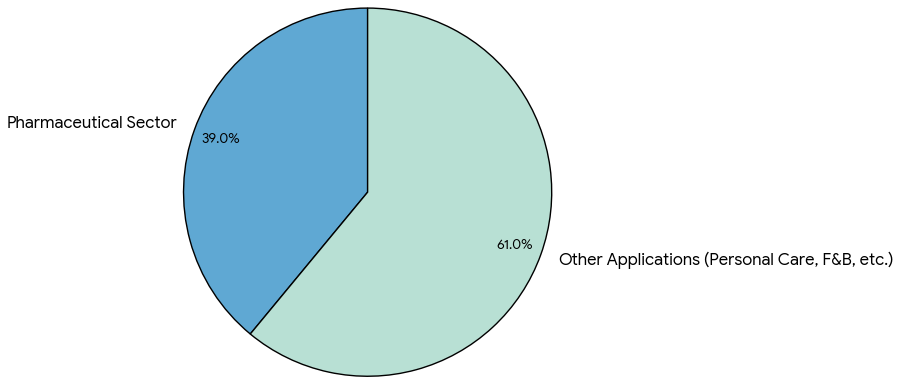
The global menthoxypropanediol market is expected to grow from USD 235.5 million in 2024 to USD 365.1 million by 2033, at a 5.2% CAGR. The cosmetics and personal care segment will lead the market, contributing 50% of the total demand. Within this, skin care products are anticipated to represent 40% of the overall consumption, with hair care and oral care following as key drivers. Pharmaceutical applications, especially in topical analgesics, will grow at 8% annually, while the food and beverage segment will contribute 15% of total demand, driven by the popularity of menthol flavoring in beverages and chewing gums.
Market Analysis
The cosmetic chemicals market is witnessing strong growth, fueled by increasing consumer preferences for menthol-based products due to their cooling, refreshing effects. In the personal care market, menthoxypropanediol is used extensively in skin care, hair care, and oral care products, with its ability to enhance skin feel and provide long-lasting cooling being significant differentiators. The pharmaceutical industry is experiencing growing adoption due to the soothing and cooling effects of menthoxypropanediol, particularly in topical analgesics and pain relief gels. Additionally, food & beverage applications are driving demand as menthoxypropanediol becomes more common in menthol-flavored products like chewing gums, candies, and drinks.
Trends & Insights
- Clean Beauty Movement: As consumers demand cleaner, non-toxic ingredients, menthoxypropanediol is gaining popularity in personal care formulations.
- Vegan and Cruelty-Free Products: The rise in vegan cosmetics is propelling menthoxypropanediol’s use, which is bio-based and cruelty-free.
- Natural Cooling Effect: The demand for menthoxypropanediol in skincare is rising due to its natural cooling properties, making it a perfect fit for after-sun care products.
- Flavored Beverage Expansion: Menthol-flavored products like refreshing drinks and chewing gums are expected to dominate the food & beverage market, increasing menthoxypropanediol demand.
- Personal Care R&D: Continued investment in R&D for enhancing cooling and refreshing effects of menthoxypropanediol is likely to boost demand across multiple sectors.
- Growth in Wellness Products: Increasing demand for wellness products including pain relief and skin-soothing formulations will further drive menthoxypropanediol consumption.
- Global Sustainability: Bio-based production techniques and sustainability will play a major role in shaping the market’s future.
- E-commerce Growth: As more consumers purchase natural products online, there will be a direct impact on menthoxypropanediol in personal care and health products.
- Global Supply Chain Shifts: North America and Europe will continue to lead menthoxypropanediol demand, with Asia Pacific contributing significant growth due to increased demand for menthol products.
- Packaging Innovations: The sustainability trend will encourage innovative packaging for products containing menthoxypropanediol, enhancing market appeal.
Segment Analysis
The market is segmented into cosmetics & personal care, pharmaceuticals, and food & beverage applications. Cosmetics & personal care will account for 50% of total demand, with the skin care segment being the largest contributor. Pharmaceutical demand will grow significantly, driven by topical analgesics and skin treatment creams. Food & beverage applications will continue to expand, particularly for menthol-based flavoring agents. The demand for bio-based menthoxypropanediol will drive innovation in eco-friendly formulations, particularly in the personal care and pharmaceuticals sectors.
Geography Analysis
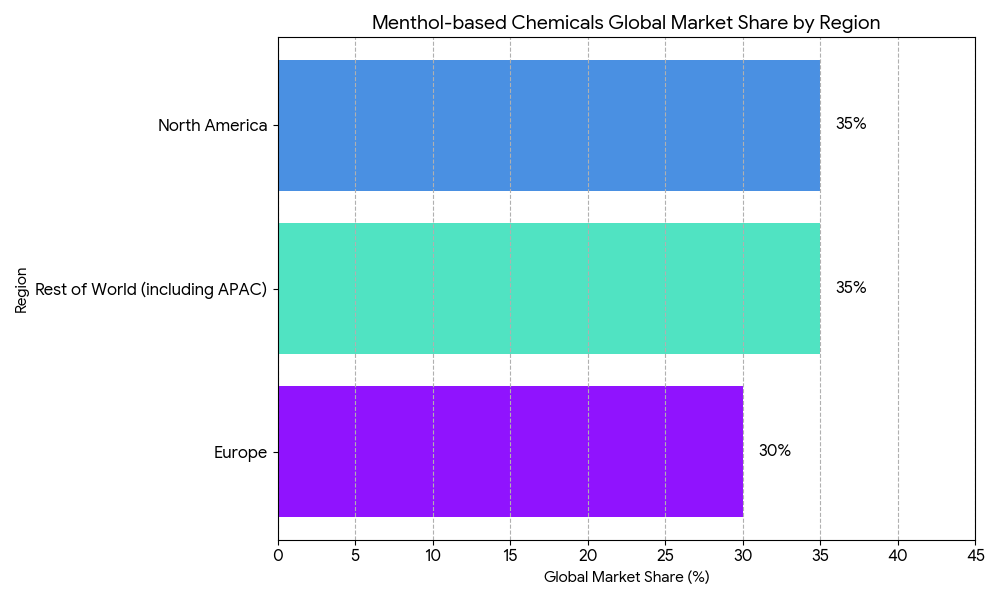
North America leads the market, contributing 35% of total global demand, with Europe closely following at 30%. The U.S. market will be fueled by the growing adoption of menthoxypropanediol in personal care products, pain relief formulas, and oral care. Asia Pacific, especially China and India, is expected to see the highest CAGR of 7%, driven by the expanding use of menthol-based products in both cosmetics and food & beverages. Middle Eastern markets are expected to experience steady growth in both cosmetic formulations and personal care products by 2030.
Competitive Landscape
Leading players in the menthoxypropanediol market include DSM, Clariant, Solvay, BASF, and Kraton Polymers, which are leading the charge in bio-based menthoxypropanediol production. DSM has been expanding its portfolio in personal care applications, while Clariant is focusing on expanding its green chemistry innovations. BASF is pioneering bio-based production of menthoxypropanediol, tapping into growing consumer demand for sustainable formulations. Kraton Polymers and Solvay are key players in the pharmaceutical segment, offering high-performance, eco-friendly products for pain relief and cooling formulations.
Report Details
Proceed To Buy
Want a More Customized Experience?
- Request a Customized Transcript: Submit your own questions or specify changes. We’ll conduct a new call with the industry expert, covering both the original and your additional questions. You’ll receive an updated report for a small fee over the standard price.
- Request a Direct Call with the Expert: If you prefer a live conversation, we can facilitate a call between you and the expert. After the call, you’ll get the full recording, a verbatim transcript, and continued platform access to query the content and more.
68 Circular Road, #02-01 049422, Singapore
Revenue Tower, Scbd, Jakarta 12190, Indonesia
4th Floor, Pinnacle Business Park, Andheri East, Mumbai, 400093
Cinnabar Hills, Embassy Golf Links Business Park, Bengaluru, Karnataka 560071
Request Custom Transcript
Related Transcripts

68 Circular Road, #02-01 049422, Singapore
Revenue Tower, Scbd, No.52-53, Jakarta 12190, Indonesia
Cinnabar Hills, Embassy Golf Links Business Park, Bengaluru, Karnataka 560071
4th Floor, Pinnacle Business Park, Andheri East, Mumbai, 400093


68 Circular Road, #02-01 049422, Singapore
Revenue Tower, Scbd, Jakarta 12190, Indonesia
4th Floor, Pinnacle Business Park, Andheri East, Mumbai, 400093
Cinnabar Hills, Embassy Golf Links Business Park, Bengaluru, Karnataka 560071