

68 Circular Road, #02-01 049422, Singapore
Revenue Tower, Scbd, Jakarta 12190, Indonesia
4th Floor, Pinnacle Business Park, Andheri East, Mumbai, 400093
Cinnabar Hills, Embassy Golf Links Business Park, Bengaluru, Karnataka 560071


Connect With Us



68 Circular Road, #02-01 049422, Singapore
Revenue Tower, Scbd, Jakarta 12190, Indonesia
4th Floor, Pinnacle Business Park, Andheri East, Mumbai, 400093
Cinnabar Hills, Embassy Golf Links Business Park, Bengaluru, Karnataka 560071
Connect With Us
68 Circular Road, #02-01 049422, Singapore
Revenue Tower, Scbd, Jakarta 12190, Indonesia
4th Floor, Pinnacle Business Park, Andheri East, Mumbai, 400093
Cinnabar Hills, Embassy Golf Links Business Park, Bengaluru, Karnataka 560071
Request Custom Transcript
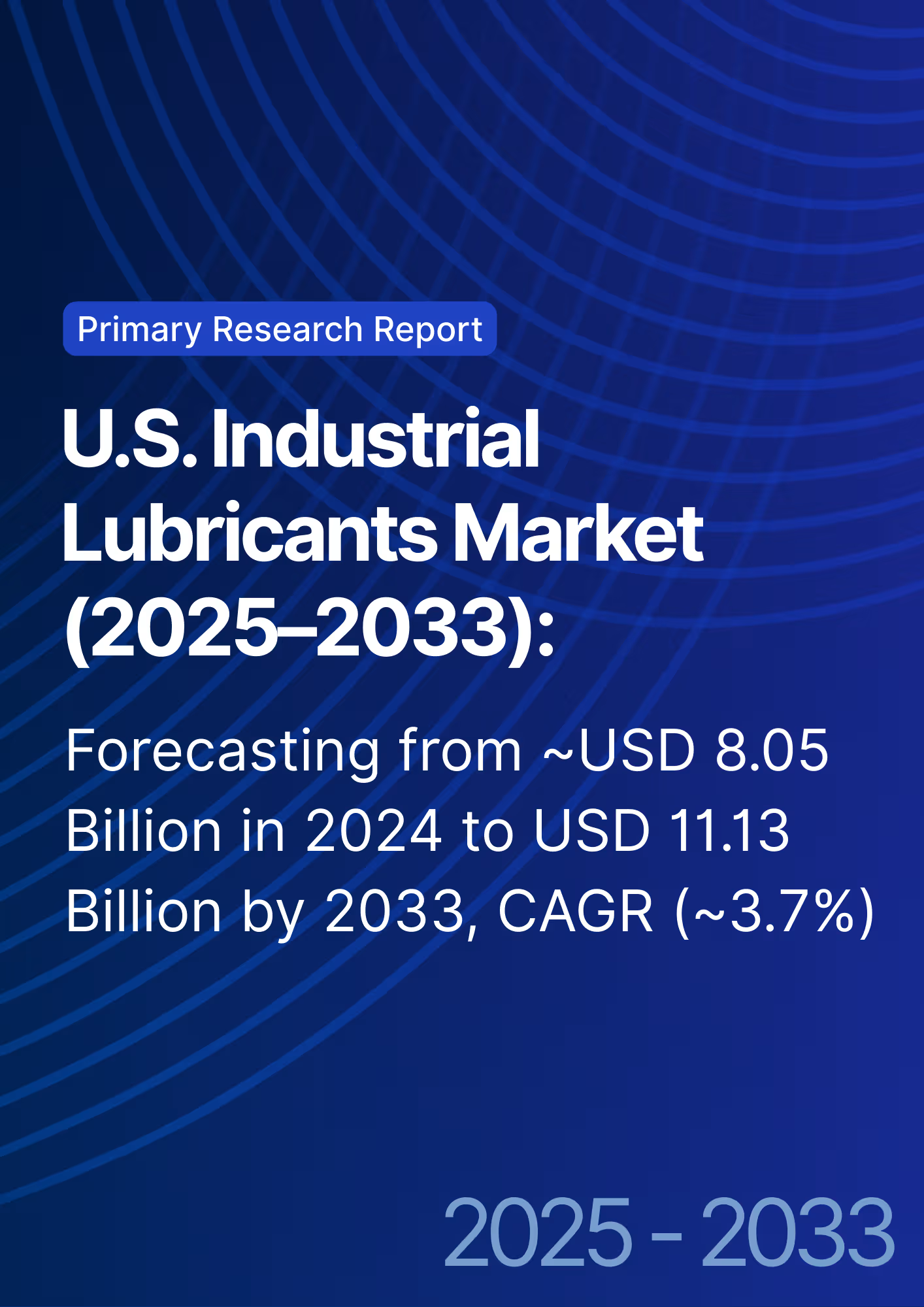
U.S. Industrial Lubricants Market (2025–2033): Forecasting from ~USD 8.05 Billion in 2024 to USD 11.13 Billion by 2033, CAGR (~3.7%) by Product Type (Oils, Greases, Penetrating Lubricants, and Dry Lubricants)
The U.S. industrial lubricants market is expected to grow from USD 8.05 billion in 2024 to USD 11.13 billion by 2033, at a CAGR of 3.7%. Growth is driven by the increasing demand for high-performance lubricants in sectors like automotive manufacturing, machinery, and industrial equipment. The market is experiencing a significant shift towards bio-based lubricants and high-efficiency greases as industries seek to meet sustainability goals and reduce maintenance costs. The segment is highly diversified, with oils contributing to the largest share, followed by greases, penetrating lubricants, and dry lubricants. The shift towards longer-lasting and higher-performing solutions will continue to drive growth, with a focus on product innovation and technological advancements in lubrication chemistry.
What's Covered?
Report Summary
Key Takeaways
- Market to expand from USD 8.05B (2024) to USD 11.13B (2033) at 3.7% CAGR.
- Oils dominate with 45% of the total market share.
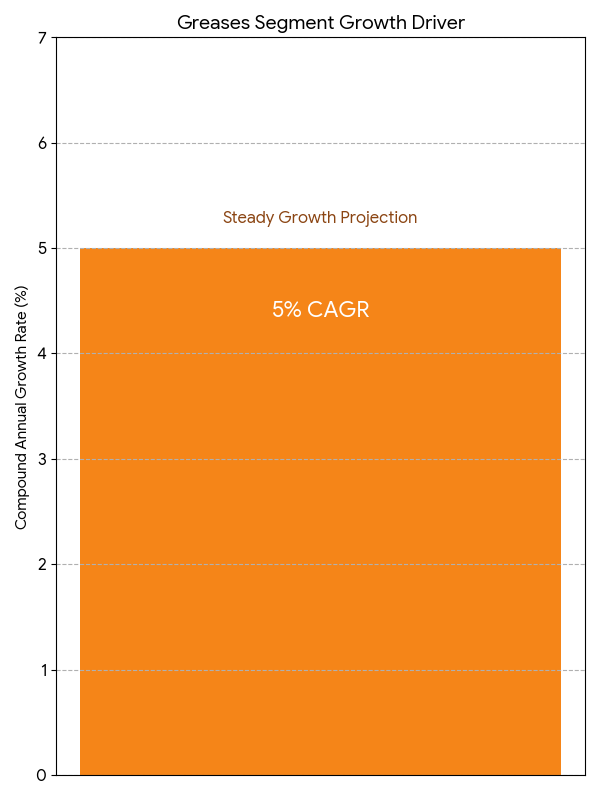
- Greases expected to grow at 5% CAGR, driven by machinery maintenance demand.
- Penetrating lubricants forecast to grow 6% annually, boosted by heavy equipment use.
- Dry lubricants projected to increase at 4% CAGR due to high-performance automotive use.
- Bio-based lubricants accounting for 25% of the market by 2030.
- Automotive sector driving 35% of industrial lubricant consumption.
- Sustainability regulations pushing demand for eco-friendly and biodegradable lubricants.
- High-efficiency greases to make up 20% of the market share by 2030.
- Technological innovations leading to improved wear protection and energy efficiency.
Key Metrics
Market Size & Share
The U.S. industrial lubricants market will increase from USD 8.05 billion in 2024 to USD 11.13 billion by 2033, driven by the continued demand for advanced lubricants in sectors like automotive, heavy machinery, and consumer electronics. Oils will dominate the market, accounting for 45% of the total demand, with greases representing 25%, and penetrating lubricants capturing 15% of the market share. The bio-based segment is expected to grow at 15% CAGR, aligning with the region’s eco-conscious industrial practices. Automotive manufacturing and machinery sectors will lead, contributing to 50% of lubricant consumption, with high-efficiency greases accounting for 20% by 2030.
Market Analysis
The U.S. industrial lubricants market is transitioning to a higher-performance lubrication system for industries ranging from automotive manufacturing to industrial equipment. The shift towards bio-based lubricants and non-toxic solutions is a direct result of stringent environmental regulations and growing consumer demand for sustainable products. Oils remain the dominant lubricant type, but greases and dry lubricants are seeing a surge in demand due to their energy-saving and extended service life benefits. Penetrating lubricants are expected to rise in demand due to increased use in heavy machinery and maintenance schedules. The increasing need for better wear protection and energy efficiency in industrial applications is driving the innovation and adoption of specialty lubricants.
Trends & Insights
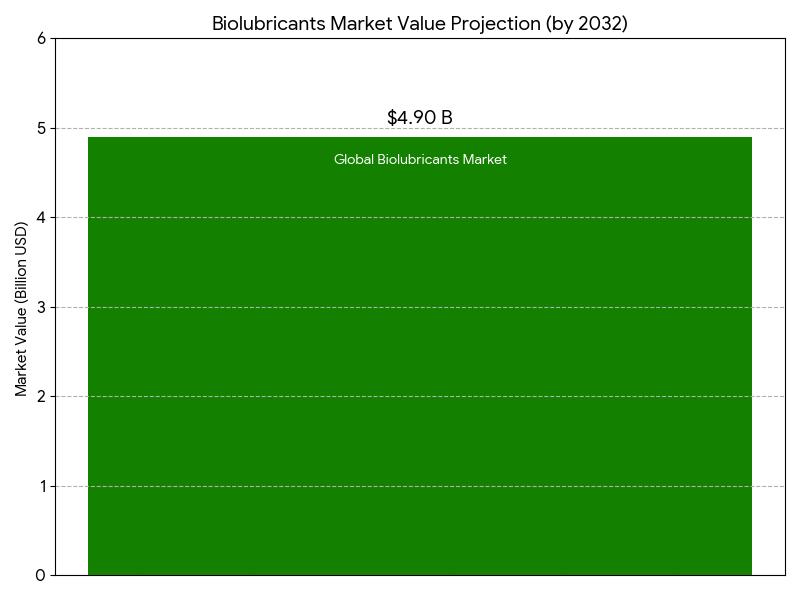
- Bio-Based Innovation: The increasing demand for sustainable lubrication solutions drives innovation in plant-derived lubricants.
- Green Chemistry: Eco-friendly and biodegradable lubricants will make up 25% of the market by 2030.
- Automotive Sector Demand: Electrification and hybrid vehicles will increase the demand for specialized lubricants.
- Grease Technology: Innovations in high-performance greases will lead to reduced energy consumption and longer equipment life cycles.
- AI in Lubricants: Artificial Intelligence will optimize lubricant performance by improving predictive maintenance and efficiency.
- Penetrating Lubricants: Surging demand for maintenance applications driving higher usage in industrial machinery.
- Wear Protection: The development of anti-wear and anti-corrosion additives to extend equipment longevity.
- Energy Efficiency: Lubricants contributing to lower friction will drive energy savings across sectors.
- Specialty Applications: The demand for dry lubricants will rise in high-performance automotive applications.
- Corporate Partnerships: Collaborations between lubricant manufacturers and automotive OEMs will foster product innovation.
Segment Analysis
By product type, the market divides into oils (45%), greases (25%), penetrating lubricants (15%), and dry lubricants (15%). Oils are the most widely used, especially in automotive manufacturing and heavy equipment maintenance. Greases, used extensively in machinery lubrication, are expected to grow at 5% CAGR. Penetrating lubricants, popular for maintenance and rust removal, will see a significant rise in demand in industrial sectors, while dry lubricants will gain ground in high-performance automotive parts due to their ability to reduce friction without leaving a residue.
Geography Analysis
The U.S. dominates the North American industrial lubricants market, accounting for 60% of the regional share. California, Texas, and the Midwest regions are seeing the highest demand due to their concentration of automotive, manufacturing, and agriculture industries. California is a major consumer of bio-based and sustainable lubricants due to stringent environmental standards. The Midwest and South are focused on machinery and industrial lubricant consumption, while the Northeast and Southwest see increasing demand for high-efficiency greases in automotive and heavy machinery sectors.
Competitive Landscape
Key players in the U.S. industrial lubricants market include ExxonMobil, Chevron, Shell, BP, and TotalEnergies, with strong competition from regional players like Valvoline, Castrol, and Lukoil. ExxonMobil and Chevron are leading with their extensive portfolio of high-performance lubricants, while Shell and BP have a significant presence in the bio-based and sustainability-driven lubricants space. Smaller players like Valvoline and Castrol are focusing on specialized greases and oils catering to niche industrial applications. Partnerships between lubricant manufacturers and equipment OEMs are strengthening product offerings, particularly in automotive and machinery sectors, contributing to long-term growth.
Report Details
Proceed To Buy
Want a More Customized Experience?
- Request a Customized Transcript: Submit your own questions or specify changes. We’ll conduct a new call with the industry expert, covering both the original and your additional questions. You’ll receive an updated report for a small fee over the standard price.
- Request a Direct Call with the Expert: If you prefer a live conversation, we can facilitate a call between you and the expert. After the call, you’ll get the full recording, a verbatim transcript, and continued platform access to query the content and more.
68 Circular Road, #02-01 049422, Singapore
Revenue Tower, Scbd, Jakarta 12190, Indonesia
4th Floor, Pinnacle Business Park, Andheri East, Mumbai, 400093
Cinnabar Hills, Embassy Golf Links Business Park, Bengaluru, Karnataka 560071
Request Custom Transcript
Related Transcripts



68 Circular Road, #02-01 049422, Singapore
Revenue Tower, Scbd, No.52-53, Jakarta 12190, Indonesia
Cinnabar Hills, Embassy Golf Links Business Park, Bengaluru, Karnataka 560071
4th Floor, Pinnacle Business Park, Andheri East, Mumbai, 400093


68 Circular Road, #02-01 049422, Singapore
Revenue Tower, Scbd, Jakarta 12190, Indonesia
4th Floor, Pinnacle Business Park, Andheri East, Mumbai, 400093
Cinnabar Hills, Embassy Golf Links Business Park, Bengaluru, Karnataka 560071