

68 Circular Road, #02-01 049422, Singapore
Revenue Tower, Scbd, Jakarta 12190, Indonesia
4th Floor, Pinnacle Business Park, Andheri East, Mumbai, 400093
Cinnabar Hills, Embassy Golf Links Business Park, Bengaluru, Karnataka 560071


Connect With Us



68 Circular Road, #02-01 049422, Singapore
Revenue Tower, Scbd, Jakarta 12190, Indonesia
4th Floor, Pinnacle Business Park, Andheri East, Mumbai, 400093
Cinnabar Hills, Embassy Golf Links Business Park, Bengaluru, Karnataka 560071
Connect With Us
68 Circular Road, #02-01 049422, Singapore
Revenue Tower, Scbd, Jakarta 12190, Indonesia
4th Floor, Pinnacle Business Park, Andheri East, Mumbai, 400093
Cinnabar Hills, Embassy Golf Links Business Park, Bengaluru, Karnataka 560071
Request Custom Transcript
Europe Cosmetic Chemicals Market 2025–2030: Rapid Expansion to USD 2.38B | 12.8% CAGR | Clean Label, Vegan, and Bio-Based Formulations Fuel Momentum
The Europe cosmetic chemicals market is expected to grow from USD 1.16 billion in 2025 to USD 2.38 billion by 2030, expanding at a CAGR of 12.8%. This growth is driven by the rising consumer demand for clean-label, vegan, and bio-based formulations in beauty and personal care products. As European consumers shift towards sustainable, eco-friendly, and cruelty-free products, manufacturers are responding by incorporating plant-derived ingredients, biodegradable emulsifiers, and natural preservatives. The market is also benefiting from stringent EU regulations encouraging the use of non-toxic chemicals in cosmetics, thereby boosting the adoption of natural cosmetic chemicals across skincare, haircare, and makeup products.
.avif)
What's Covered?
Report Summary
Key Takeaways
- Market to grow from USD 1.16B (2025) to USD 2.38B (2030) at 12.8% CAGR.
- Vegan and clean-label formulations to drive 50% of market demand by 2030.
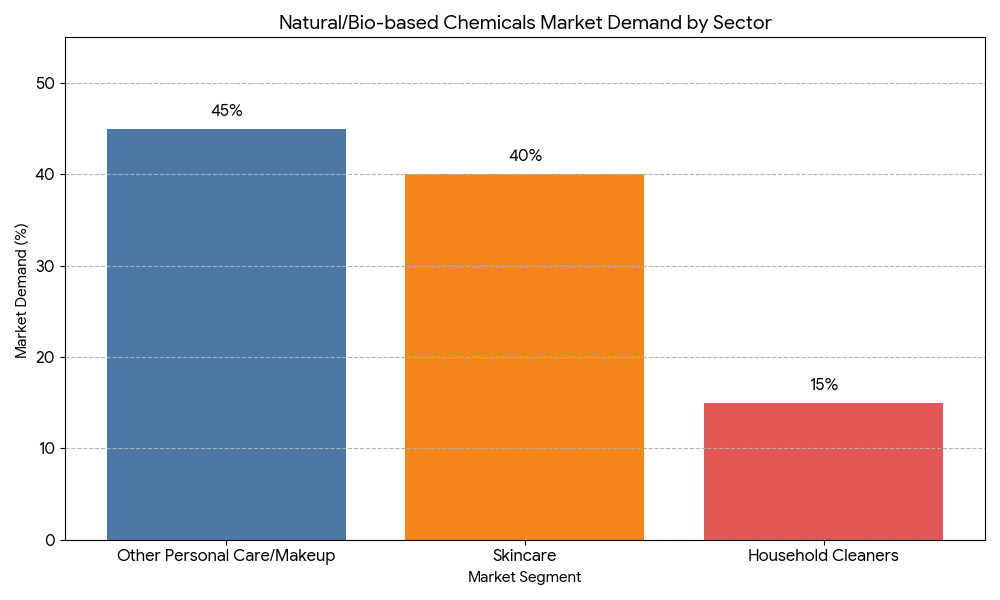
- Skincare products will dominate, contributing 40% of total chemical usage.
- Bio-based ingredients expected to account for 55% of total formulation by 2030.
- Haircare segment projected to grow at 14% CAGR with plant-based surfactants.
- EU regulations increasing demand for eco-friendly preservatives and emulsifiers.
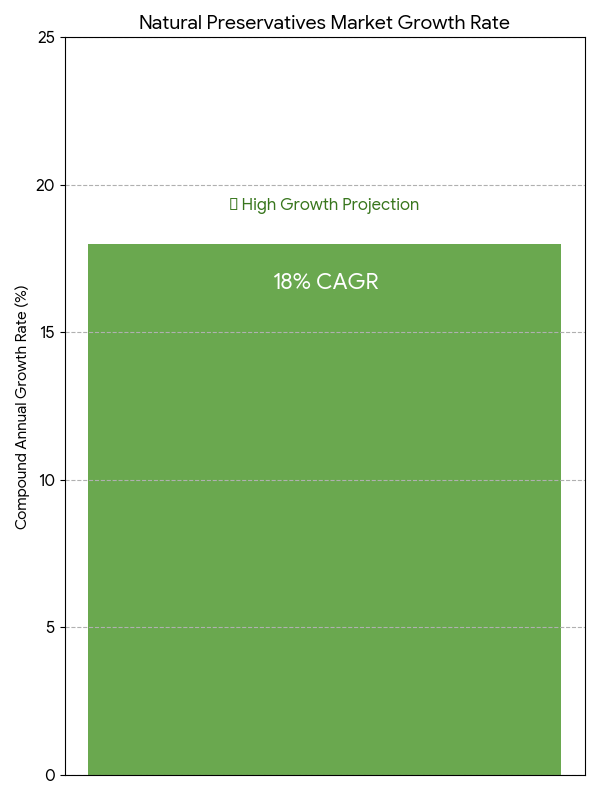
- Natural preservatives market growing at 18% CAGR due to eco-conscious consumer trends.
- Ethical sourcing and transparency to become a key purchasing decision factor.
- Asia-Pacific imports will supply 45% of raw materials for European cosmetics.
- Corporate partnerships between ingredient suppliers and cosmetic brands will increase to drive innovation.
Key Metrics
Market Size & Share
The Europe cosmetic chemicals market will expand from USD 1.16 billion in 2025 to USD 2.38 billion by 2030, with skincare products leading demand, accounting for 40% of total usage. Vegan and clean-label formulations will dominate, representing 50% of total consumption by 2030. The bio-based ingredients segment will experience the highest growth, projected to account for 55% of market demand as consumers continue to demand sustainable, plant-derived solutions. The haircare segment will witness a 14% CAGR, as natural surfactants gain popularity, particularly in shampoo and conditioner formulations.
Market Analysis
The market’s growth is driven by the increased adoption of natural and bio-based chemicals in the skincare, haircare, and cosmetic sectors. Consumers are pushing for clean-label products free from harmful chemicals, while regulatory frameworks like EU REACH (Registration, Evaluation, Authorization, and Restriction of Chemicals) are driving manufacturers to source safer, non-toxic ingredients. The shift towards vegan and cruelty-free beauty products is fostering demand for plant-based surfactants, preservatives, and emulsifiers. With eco-conscious consumer trends on the rise, natural preservatives are expected to grow at 18% CAGR, reducing the reliance on synthetic chemicals. The push for sustainable packaging and green formulations is further propelling market expansion.
Trends & Insights
- Clean Label Innovation: The shift towards plant-based and biodegradable ingredients is driving innovation in the cosmetics sector.
- Vegan Beauty Boom: Consumer preference for vegan products will continue to fuel the growth of plant-derived ingredients.
- Sustainable Packaging: Brands focusing on recyclable packaging to complement eco-friendly product offerings.
- Natural Preservatives: High-growth segment driven by demand for non-toxic formulations and clean labels.
- Eco-Friendly Surfactants: Bio-based surfactants replacing synthetic detergents in personal care.
- Ethical Sourcing: Transparency in ingredient sourcing becoming a key brand differentiator.
- Clean Beauty Regulations: Stricter EU regulations will push brands towards greener formulations.
- Microbiome-Friendly Products: Products designed to support the skin’s natural microbiome gaining traction.
- Formulation Innovation: AI and R&D driving the development of customizable clean beauty formulations.
- Regional Collaboration: Increased public–private collaboration on green chemistry standards in Europe.
Segment Analysis
The market is divided into personal care (skincare, haircare, makeup) and household applications. Skincare dominates, contributing 40% of market demand, with an emphasis on natural preservatives, emulsifiers, and surfactants. The haircare segment follows closely, with 14% CAGR driven by demand for vegan shampoos and conditioners containing plant-based surfactants. Household cleaners such as dishwashing liquids and laundry detergents account for 15% of market share, focusing on eco-friendly ingredients. Emerging applications include microbiome-friendly and fragrance-free products, targeting sensitive skin consumers.

Geography Analysis
The market is led by Germany, France, and the UK, which together account for 55% of the total market share. Germany is the primary driver due to its focus on green chemistry standards and the bio-based chemical manufacturing sector. The UK and France are rapidly adopting clean-label cosmetic products driven by consumer demand and sustainability regulations. Southern and Eastern Europe are projected to see a surge in bio-based formulation adoption by 2030. The EU-wide regulations will continue to align product formulations with sustainability goals, resulting in steady growth across these regions.
Competitive Landscape
Key players include BASF, Dow Chemical, Evonik, Clariant, and Solvay, along with smaller regional players such as Kraton Polymers and SABIC. BASF leads with its wide range of bio-based emulsifiers and surfactants, while Evonik has been expanding its sustainable ingredient offerings. Clariant and Solvay are focusing on greener surfactant alternatives, particularly in household and personal care applications. Smaller bio-based chemical startups are also emerging, providing niche ingredients for clean-label products. R&D collaborations between cosmetic manufacturers and ingredient suppliers are further fueling innovation in eco-friendly formulations.
Report Details
Proceed To Buy
Want a More Customized Experience?
- Request a Customized Transcript: Submit your own questions or specify changes. We’ll conduct a new call with the industry expert, covering both the original and your additional questions. You’ll receive an updated report for a small fee over the standard price.
- Request a Direct Call with the Expert: If you prefer a live conversation, we can facilitate a call between you and the expert. After the call, you’ll get the full recording, a verbatim transcript, and continued platform access to query the content and more.
68 Circular Road, #02-01 049422, Singapore
Revenue Tower, Scbd, Jakarta 12190, Indonesia
4th Floor, Pinnacle Business Park, Andheri East, Mumbai, 400093
Cinnabar Hills, Embassy Golf Links Business Park, Bengaluru, Karnataka 560071
Request Custom Transcript
Related Transcripts


68 Circular Road, #02-01 049422, Singapore
Revenue Tower, Scbd, No.52-53, Jakarta 12190, Indonesia
Cinnabar Hills, Embassy Golf Links Business Park, Bengaluru, Karnataka 560071
4th Floor, Pinnacle Business Park, Andheri East, Mumbai, 400093


68 Circular Road, #02-01 049422, Singapore
Revenue Tower, Scbd, Jakarta 12190, Indonesia
4th Floor, Pinnacle Business Park, Andheri East, Mumbai, 400093
Cinnabar Hills, Embassy Golf Links Business Park, Bengaluru, Karnataka 560071